Culture & Travel
Swahili Words in The Lion King and What They Mean
Simba, Rafiki, Hakuna Matata — discover the real Swahili words in The Lion King, what they mean, and how to say them. Then learn Swahili for real.
Swahili Tutors Team
8 min read
You already speak a little Swahili. You just don't know it yet.
If you've ever sung along to Hakuna Matata or cheered for Simba, you've been using one of Africa's most widely spoken languages. The Swahili words in The Lion King aren't background flavour — they're real vocabulary, chosen with care, from a language spoken by well over 100 million people across East and Central Africa.
Let's break down what those famous names and phrases actually mean, how to pronounce them properly, and why the film is a surprisingly fun doorway into learning Swahili for real.
Is The Lion King really in Swahili?
The Lion King isn't in Swahili — the film is in English — but many of its names and its most famous phrase come straight from Swahili.
Disney's creators drew on Swahili because the story is set in the African savannah, and Swahili is the lingua franca of that region. The result is a soundtrack of names most fans have heard a thousand times without knowing they carry real meanings. Once you learn them, you can't unhear them.
What does Simba mean?
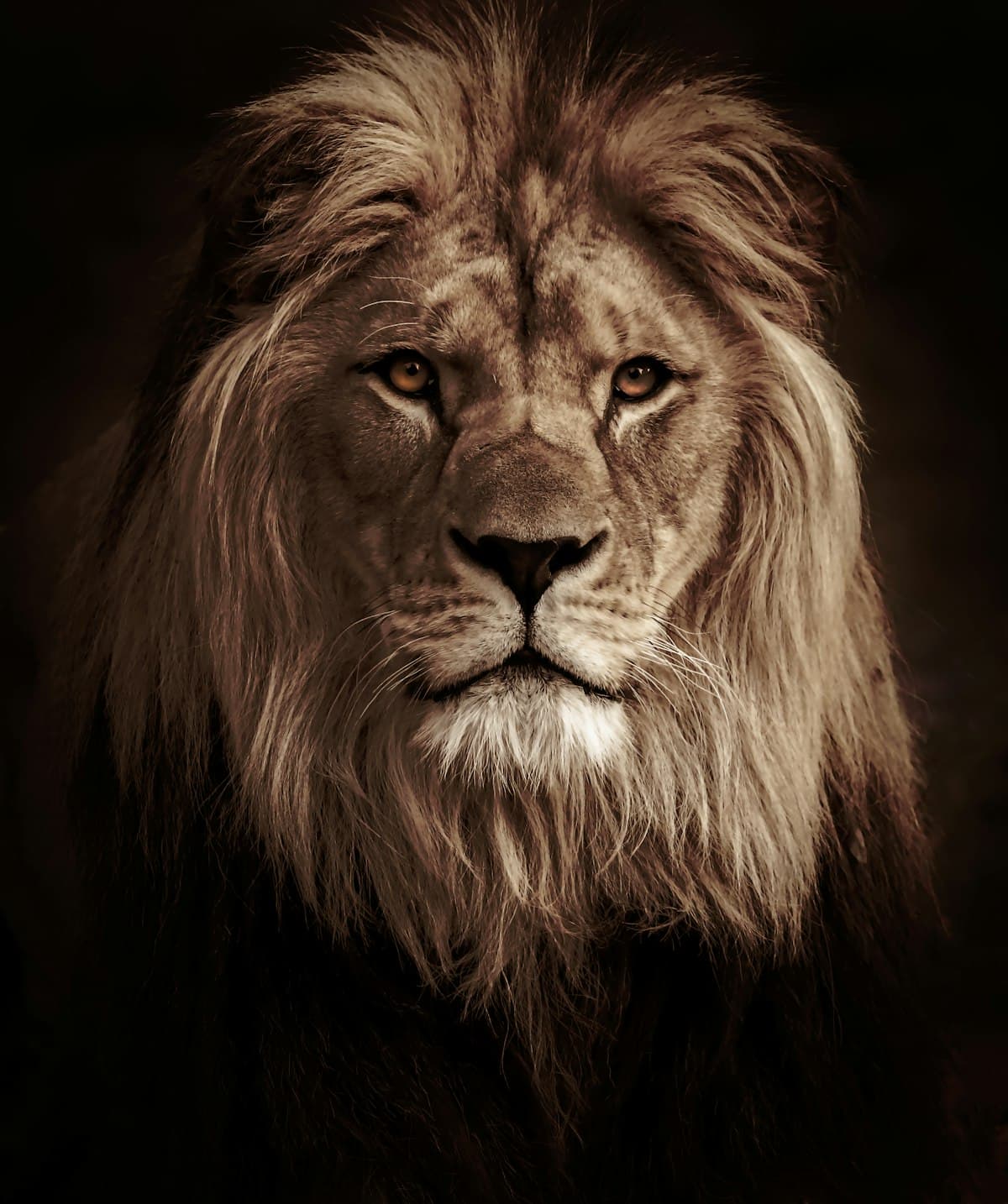
Simba means "lion" in Swahili. That's it — the hero's name is simply the word for the animal he is.
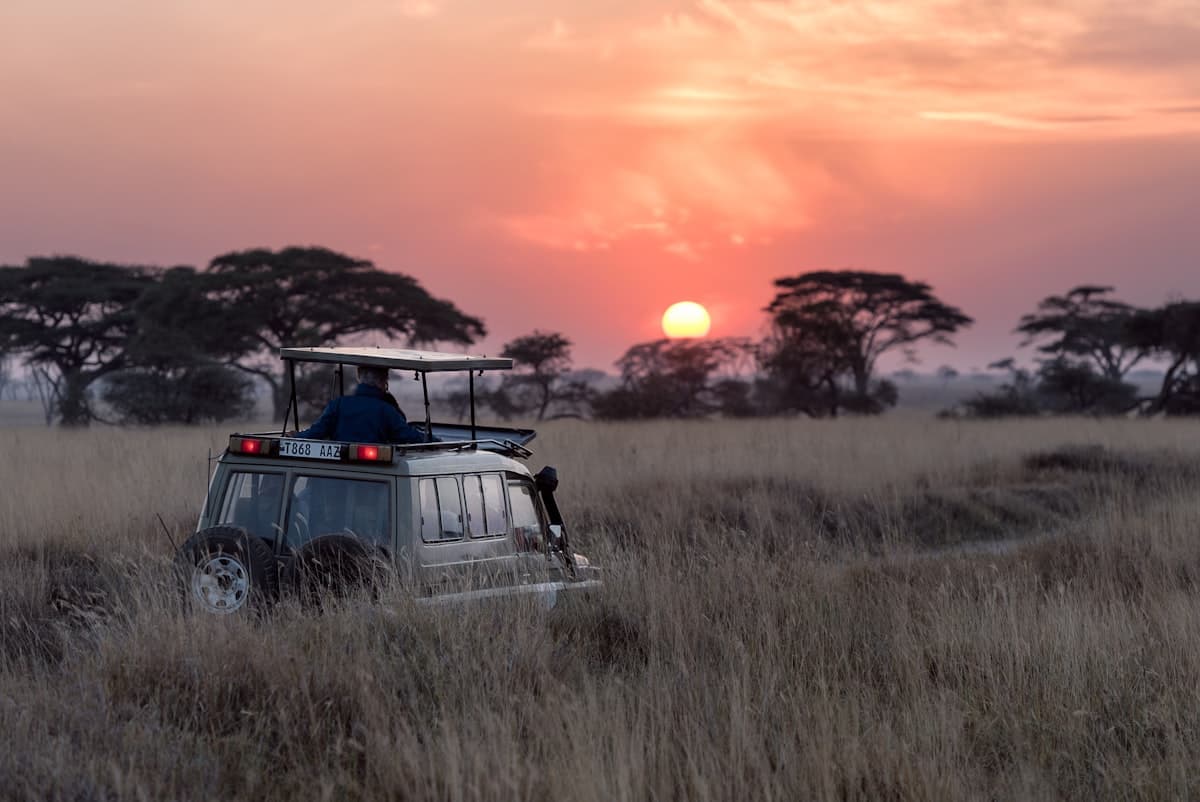
Say it SEEM-ba. It's one of the most useful animal words you can know before an East African safari, where guides use Swahili names constantly. Spot a big cat on the plains and your guide may just say, "Simba!"
What does Hakuna Matata mean?
Hakuna Matata means "no worries" or "there are no problems" in Swahili. It's built from hakuna ("there is not / there are none") and matata ("problems / troubles").
According to the film's history, the production team picked the phrase up from a tour guide while on safari in Tanzania — real Swahili, borrowed from a real conversation. It became one of the most famous movie lines ever.
Here's the fun part: it's genuine, everyday Swahili. You can use it right now. Someone apologises for bumping into you? "Hakuna matata." No worries. You'll hear locals say it — and a close cousin, hakuna shida ("no problem") — all the time.
Pronounce it ha-KOO-na ma-TA-ta, every vowel clear and open.
The meaning behind the character names
Nearly every major character carries a Swahili (or Swahili-adjacent) name. Here's what they mean.
Rafiki — "friend"
Rafiki means "friend" in Swahili. The wise mandrill who mentors Simba is, quite literally, "friend." It's a warm, common word you'll use often. Wewe ni rafiki yangu — "you are my friend."
Nala — "gift" / "beloved"
Nala is commonly translated as "gift" or "beloved." It's a fitting name for Simba's closest companion and a beautiful word in its own right.
Pumbaa — "foolish / careless"
Pumbaa comes from a Swahili root meaning "to be foolish, careless, or absent-minded" (related to pumbavu). Perfect for the lovable, scatter-brained warthog. It's affectionate teasing baked right into the name.
A few more
Sarabi (Simba's mother) is often linked to a word meaning "mirage." Shenzi (one of the hyenas) means "savage," "uncultured," or "barbaric" in Swahili — a pointed name for a troublemaker.
Not every name is dictionary-perfect Swahili — some were chosen for sound as much as meaning — but the core ones above are real words you can use today.
Other Swahili you'll spot in the films and songs
Look and listen closely and there's even more. Rafiki's chant and the songs weave in real Swahili and Zulu phrases (the famous opening of "Circle of Life" is Zulu, not Swahili — a common mix-up worth knowing).
Asante sana ("thank you very much") appears in Rafiki's playful little song, "Asante sana, squash banana…" — and asante sana is exactly how you'd thank someone in Nairobi or Dar es Salaam.
That single phrase — asante sana — is one you'll use on your very first day speaking Swahili.
A quick Lion King Swahili glossary
Simba — Lion — say SEEM-ba.
Rafiki — Friend — say ra-FEE-kee.
Nala — Gift / beloved — say NAH-la.
Pumbaa — Foolish / careless — say poom-BAH.
Shenzi — Savage / uncultured — say SHEN-zee.
Hakuna Matata — No worries — say ha-KOO-na ma-TA-ta.
Asante sana — Thank you very much — say a-SAN-te SAH-na.
Learn these seven and you've got a genuine head start — real words, real meanings, ready to use. Many of them, like simba, come straight back on an East African safari, and asante sana fits right into everyday Swahili greetings.
From movie magic to actually speaking Swahili
Here's why this matters beyond trivia. The Lion King proves something important: Swahili is approachable. The words are pronounced the way they're spelled. The vowels never shift. Simba looks like "Simba" and sounds like "Simba."
That consistency is one reason learners pick up Swahili faster than they expect. If you can say Hakuna Matata cleanly, you can already produce the sounds of the language.
Curious how far that head start could take you? The jump from a handful of movie words to holding a real conversation is smaller than most people think — especially with a native speaker guiding you. You can try a free Swahili lesson with a native tutor and turn "Hakuna Matata" into a genuine skill.
Frequently Asked Questions
What does Hakuna Matata mean in Swahili?
Hakuna Matata means "no worries" or "there are no problems." It combines hakuna ("there is none") and matata ("problems/troubles"). It's real, everyday Swahili — the film's team reportedly heard it from a guide on safari in Tanzania — and you can use it in real conversations today.
What does Simba mean in Swahili?
Simba is the Swahili word for "lion." The hero's name is simply the word for his species. It's one of the most common animal names you'll hear from safari guides across Kenya and Tanzania.
What does Rafiki mean?
Rafiki means "friend" in Swahili. It's a warm, everyday word. You can say rafiki yangu to mean "my friend."
Are the names in The Lion King real Swahili words?
Many are. Simba (lion), Rafiki (friend), Pumbaa (foolish/careless), and Shenzi (savage) are genuine Swahili words. Others, like Nala, are commonly translated as "gift/beloved," and a few were chosen mainly for their sound. The phrase Hakuna Matata is authentic, everyday Swahili.
Is The Lion King in Swahili?
No — the film's dialogue is in English. But its character names and its signature phrase, Hakuna Matata, come from Swahili, the most widely spoken language of East Africa. (Note: the opening chant of "Circle of Life" is actually Zulu, not Swahili.)
Your first Swahili words are already in your head
You walked in knowing more Swahili than you realised. Simba the lion, Rafiki the friend, Hakuna Matata — no worries. These aren't just Swahili words in The Lion King; they're living vocabulary used every day across East Africa.
Why stop at seven words? Book a free first lesson with a native Swahili tutor and go from humming Hakuna Matata to actually speaking the language of Simba's savannah. Asante sana for reading — and karibu (welcome) to Swahili.
Tags
Swahili Tutors Team
Swahili Tutors Contributor
A Swahili language expert and educator sharing knowledge to help learners around the world connect with East African culture and language.
Ready to start speaking Swahili?
Learn one-to-one with a native Swahili teacher. Your first 20 minutes with each teacher are free.
Find a Swahili teacher