Culture & Travel
Swahili for Safari: Words and Phrases You'll Actually Use
Heading on safari? Learn essential Swahili for safari — animal names, greetings, and phrases that impress guides. Free lesson to prep before you fly.
Swahili Tutors Team
9 min read
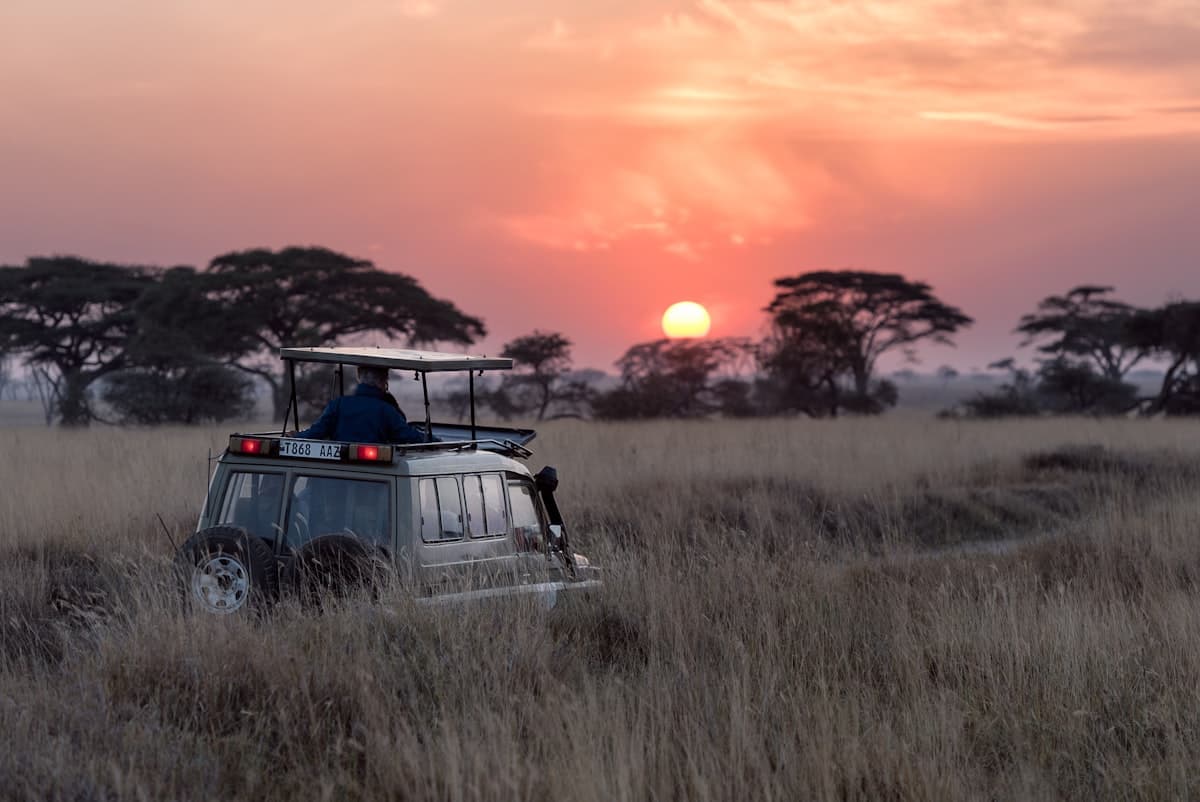
Here's a secret every seasoned guide knows: the travellers who learn a little Swahili get a completely different trip.
They get warmer welcomes, better stories, insider tips, and the quiet respect that comes from making an effort. Learning Swahili for safari doesn't take much — a handful of animal names, a few greetings, and the polite words that open doors. Do that, and your guide stops treating you like a tourist and starts treating you like a guest.
This guide gives you exactly what to learn before you fly to Kenya or Tanzania. No filler. Just the words you'll use on the plains, in the lodge, and in the market.
What does "safari" mean in Swahili?
"Safari" is a Swahili word that simply means "journey" or "trip." It isn't limited to wildlife tours — a Swahili speaker uses safari for any journey, whether that's a game drive or a bus ride to visit family.
So when you say you're going on safari, you're already speaking Swahili. English borrowed the word wholesale. Safari njema means "have a good trip" — a lovely thing to say and to hear.
Swahili animal names for your game drive
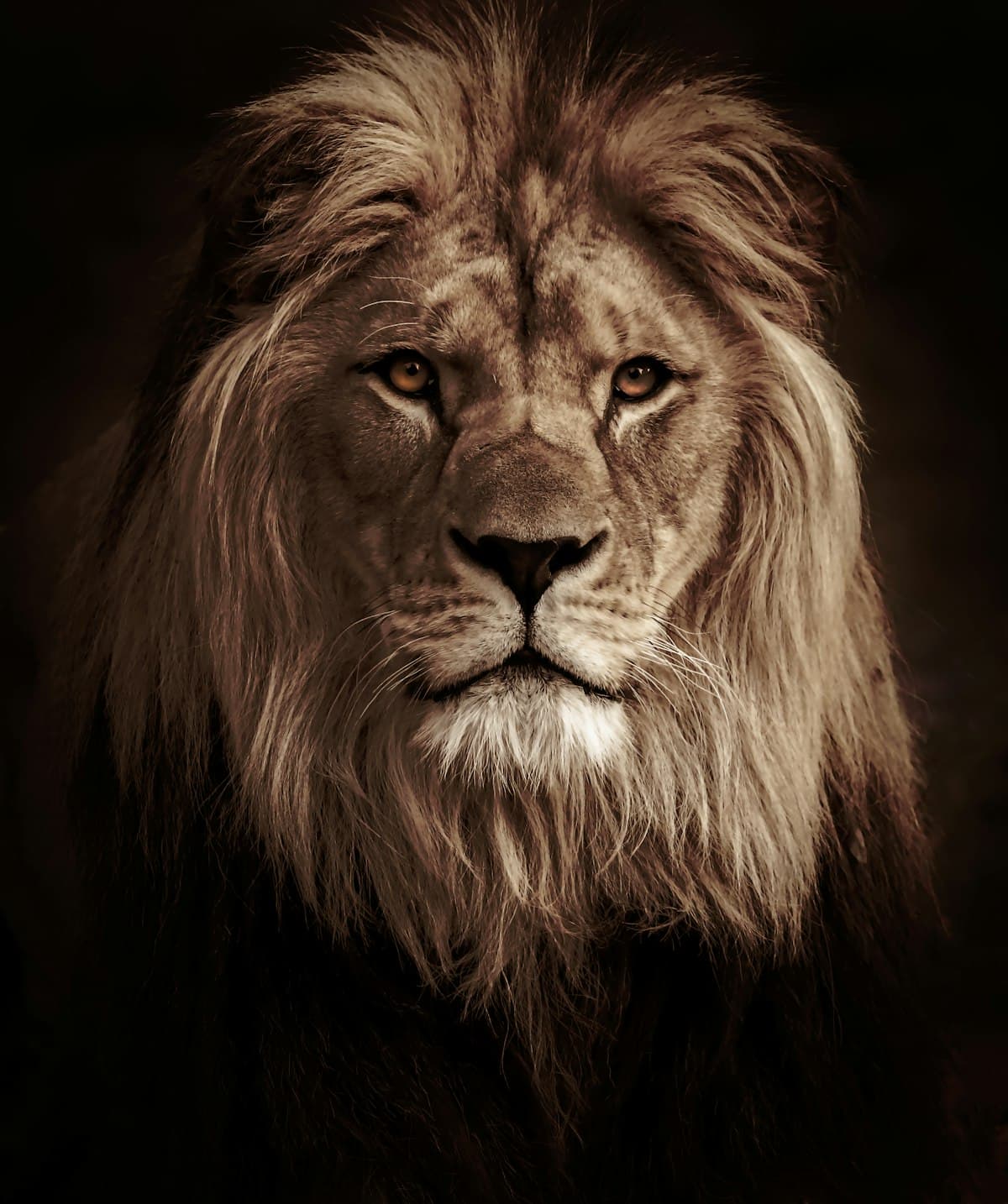
This is the fun part. Your guide will use Swahili animal names constantly, and calling them out yourself is genuinely thrilling. Spot the Big Five and name them: Simba — lion. Tembo (or ndovu) — elephant. Kifaru — rhino. Nyati (or mbogo) — buffalo. Chui — leopard.
And the rest of the cast you'll meet on the plains: Twiga — giraffe. Punda milia — zebra (literally "striped donkey" — a favourite with visitors). Kiboko — hippo. Mamba — crocodile. Duma — cheetah. Nyani — baboon. Kima / tumbili — monkey. Swala / paa — gazelle / antelope. Nyumbu — wildebeest. Fisi — hyena. Ndege — bird (also, confusingly, the word for "aeroplane").
Say "Twiga!" when a giraffe steps out of the acacias and watch your guide grin. Bonus fact: punda milia, "striped donkey," is one of those names travellers never forget. Several of these names may already be familiar from the Swahili words in The Lion King.
Greetings that earn instant goodwill
Before the animals, there are people — and greetings matter enormously in East Africa. Skipping them can feel abrupt; offering them opens every door. Jambo — Hello (widely used with visitors). Habari? — How are you? (reply Nzuri — "good"). Mambo? — What's up? (reply Poa — "cool"). Shikamoo — respectful greeting to an elder (reply Marahaba). Karibu — Welcome (reply Asante).
Use Shikamoo with older people and you'll earn real respect — it signals you understand the culture, not just the phrasebook. Want the full breakdown of when to use each one? See our guide to Swahili greetings and how to say hello like a local.
The polite phrases that make guides love you
These small words do heavy lifting. Sprinkle them everywhere. Asante — Thank you. Asante sana — Thank you very much. Tafadhali — Please. Samahani — Excuse me / sorry. Ndiyo — Yes. Hapana — No. Sawa — Okay / fine. Hakuna matata — No worries / no problem. Poa — Cool. Karibu — You're welcome / welcome.
A guide who hears "Asante sana, rafiki" ("thank you very much, friend") at the end of a long day will remember you. These tiny courtesies are the difference between a transaction and a friendship.
Practical phrases for the field and the lodge
Now the working phrases — the ones that actually help you get around.
On the game drive: Simama, tafadhali — Stop, please (for that perfect photo). Twende! — Let's go! Pole pole — Slowly, slowly (you'll hear this a lot — it's practically East Africa's motto). Ni nini hii? — What is this? Iko wapi…? — Where is…? Nataka kupiga picha — I want to take a photo.
At the lodge and in the market: Ni bei gani? — How much is it? (essential for markets). Ghali sana — Too expensive (say it with a smile — friendly bargaining is expected). Maji, tafadhali — Water, please. Chakula ni kitamu — The food is delicious (guaranteed to earn a beaming reply). Choo kiko wapi? — Where is the toilet? Naomba msaada — Can you help me?
Notice pole pole ("slowly, slowly"). It's more than a phrase — it's a mindset. On safari and in life, East Africa moves at its own gentle pace, and learning to say pole pole helps you settle into it.
Reading these is a start. Saying them so a guide instantly understands you — that takes a little practice out loud. A native tutor can prep you in just a few sessions before your trip, so the words come out naturally when you need them. You can try a free Swahili lesson with a native tutor and rehearse your safari phrases with a real speaker.
Why a little Swahili changes your whole trip
Generic travel apps hand you a wall of phrases and hope for the best. What actually sticks is a small, well-chosen set — practised out loud, tied to real situations.
That's the difference between memorising and speaking. When you can greet your guide in the morning, name the animals you spot, thank people warmly, and bargain with a smile, you stop being a spectator. You become part of the conversation. Guides open up. Shopkeepers laugh with you. Doors that stay closed to other tourists swing open.
And unlike the dozens of languages you'd juggle on a generic platform, Swahili is one language spoken across a huge, welcoming region — from Nairobi to Zanzibar, the Serengeti to the Maasai Mara. Learn it once, use it everywhere in East Africa.
Frequently Asked Questions
What does "safari" mean in Swahili?
"Safari" means "journey" or "trip" in Swahili. It applies to any journey, not just wildlife tours. English borrowed the word directly. Safari njema means "have a good trip."
What is the Swahili word for lion?
The Swahili word for lion is simba — the same name as the hero of The Lion King. Other Big Five names include tembo (elephant), kifaru (rhino), nyati (buffalo), and chui (leopard).
What Swahili phrases should I learn before a safari?
Start with greetings (Jambo, Habari?, Shikamoo for elders), polite words (Asante, Tafadhali, Samahani), animal names (Simba, Twiga, Tembo), and a few practical phrases (Ni bei gani? — "how much?", Pole pole — "slowly", Twende! — "let's go"). That small set covers most everyday moments.
Is English spoken on safari in Kenya and Tanzania?
Yes — English is widely spoken in the tourism industry across Kenya and Tanzania, and guides typically speak it well. But learning some Swahili is warmly appreciated and noticeably improves how locals respond to you.
How long does it take to learn safari Swahili?
You can learn enough Swahili for a safari — greetings, animal names, and key phrases — in just a few focused lessons before your trip. Building real conversational ability takes longer; see how long it takes to learn Swahili for a realistic timeline.
Pack these phrases before you fly
A safari is the trip of a lifetime, and a little Swahili makes it richer. Learn your animal names, greet your guide with Jambo, thank people with Asante sana, and move through it all pole pole. That small effort turns a good trip into an unforgettable one.
Give yourself a few weeks and a native tutor, and you'll step off the plane already speaking. Book your free first lesson and prep your safari Swahili before you go. Safari njema — have a wonderful journey!
Tags
Swahili Tutors Team
Swahili Tutors Contributor
A Swahili language expert and educator sharing knowledge to help learners around the world connect with East African culture and language.
Ready to start speaking Swahili?
Learn one-to-one with a native Swahili teacher. Your first 20 minutes with each teacher are free.
Find a Swahili teacher