50 Essential Swahili Phrases for Your East African Safari
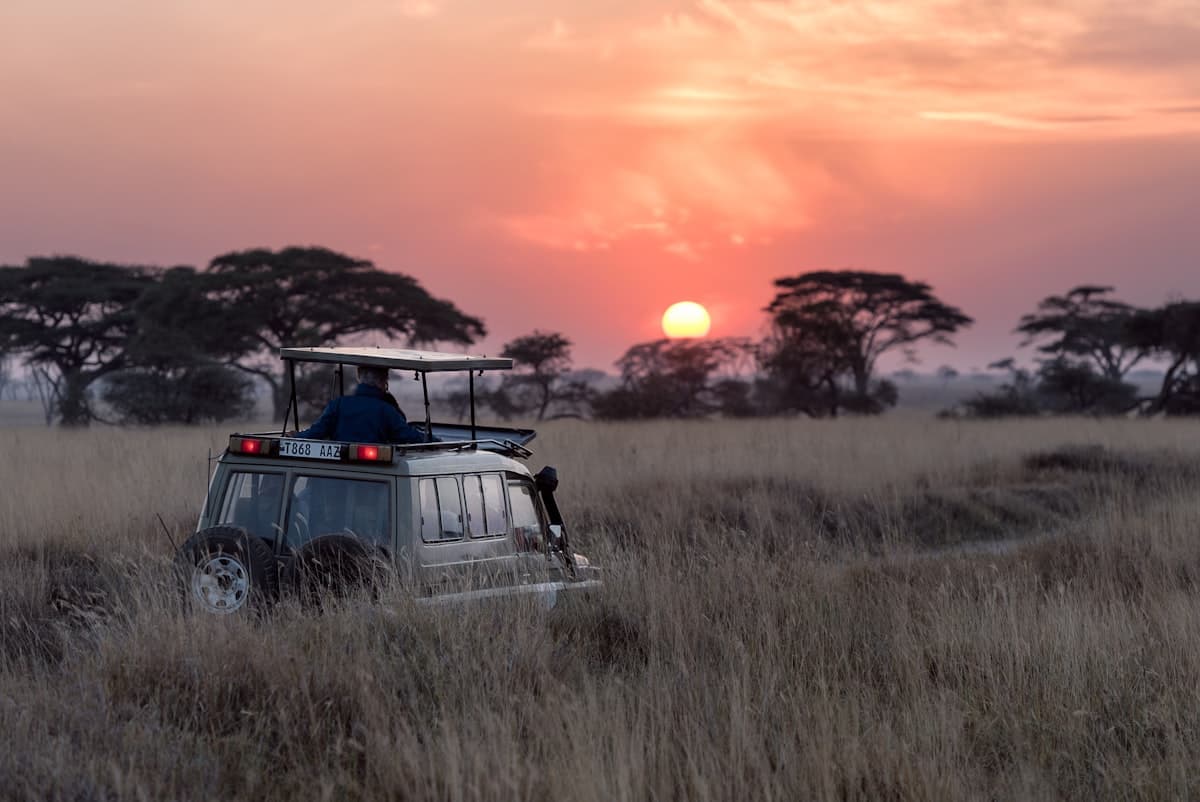
You have booked your dream safari. The flights are confirmed, the lodges are reserved, and your camera is fully charged. But there is one piece of preparation that will transform your trip from a tourist experience into a genuine cultural connection — learning some Swahili before you go.
Swahili (Kiswahili) is the shared language of East Africa, spoken by over 200 million people across Kenya, Tanzania, Uganda, Rwanda, and beyond. While English is widely used in tourism, speaking even a few words of Swahili will open doors that remain closed to most visitors. Your safari guide will light up. Market vendors will offer better prices. Lodge staff will go out of their way to help. And you will experience East Africa the way it was meant to be experienced — as a welcomed guest, not just a passing tourist.
If you are just starting your Swahili journey, our complete beginner's roadmap will give you the full picture. But if you need practical phrases fast, here are 50 that will serve you from the moment you land to the moment you say goodbye.
Greetings — The Foundation of Every Interaction
In East African culture, greetings are not optional pleasantries. They are essential. Jumping straight to a question or request without greeting someone is considered disrespectful. Always start with a greeting, no matter the situation.
Jambo — Hello (the universal tourist greeting; locals often use "Habari" or "Mambo" instead)
Habari yako? — How are you? (literally: "What is your news?")
Nzuri sana — Very good/fine
Mambo? — What's up? (informal, very commonly used)
Poa — Cool/Good (casual reply to "Mambo")
Shikamoo — Respectful greeting for elders (essential in Tanzania)
Marahaba — Reply to Shikamoo
Karibu — Welcome / You're welcome
Kwaheri — Goodbye
Lala salama — Goodnight (literally: "Sleep peacefully")
Tutaonana — See you later
Essentials for Getting Around
Tafadhali — Please
Asante sana — Thank you very much
Samahani — Excuse me / Sorry
Ndiyo — Yes
Hapana — No
Sawa sawa — Okay / Alright
Pole pole — Slowly slowly (you will hear this constantly, especially on Kilimanjaro treks — it is a philosophy as much as a direction)
Twende — Let's go (your guide's favourite word)
Simama — Stop
Haraka — Hurry / Quickly
Wapi? — Where?
Choo kiko wapi? — Where is the toilet?
Numbers for Shopping and Bargaining
Moja — 1, Mbili — 2, Tatu — 3, Nne — 4, Tano — 5
Sita — 6, Saba — 7, Nane — 8, Tisa — 9, Kumi — 10
Ni bei gani? — How much is this?
Ghali sana — Too expensive
Punguza bei — Reduce the price
Nitanunua — I will buy it
Knowing your numbers transforms the market experience. Vendors respect buyers who engage in Swahili, and a friendly negotiation in the local language almost always results in a better price.
Food and Drink
Chakula — Food
Maji — Water
Chai — Tea (tea culture in East Africa is enormous — always accept when offered)
Kahawa — Coffee
Bia — Beer
Nyama — Meat
Samaki — Fish
Wali — Rice
Ni tamu sana — It is very delicious (say this to your chef and watch their face beam)
Nina njaa — I am hungry
Safari-Specific Vocabulary
Safari — Journey (yes, the English word "safari" is Swahili)
Simba — Lion
Tembo — Elephant
Twiga — Giraffe
Kifaru — Rhinoceros
Nyati — Buffalo (together with Simba, Tembo, Chui, and Kifaru, these are the "Big Five" — Wanyama Wakubwa Watano)
Chui — Leopard
Kiboko — Hippopotamus
Nyoka — Snake
Ndege — Bird (also means aeroplane, depending on context)
Tazama! — Look! (say this when you spot wildlife)
Knowing these animal names adds a layer of joy to every game drive. When your guide whispers "Simba, kushoto" (Lion, to the left), you will understand instantly. When you spot a giraffe and call out "Twiga!" to your travel companions, you will feel the language coming alive.
The Phrase That Changes Everything
If you learn only one phrase from this entire article, make it this one:
"Ninajifunza Kiswahili." — I am learning Swahili.
Say this to anyone — your guide, your waiter, your driver, a shopkeeper — and watch what happens. Their face will light up. They will immediately start teaching you new words. They will speak more slowly and clearly. They will become your personal language tutor for the rest of the conversation. East Africans are incredibly proud of their language and genuinely thrilled when visitors make the effort to learn it.
Want to understand more about why learning Swahili is such a smart investment? Read our guide on why Swahili is the smartest language to learn in 2026.
Take It Further
A phrase list gets you started, but a tutor gets you speaking. If you have even two weeks before your trip, a few sessions with a native Swahili tutor can transform your pronunciation, teach you the cultural context behind the words, and give you the confidence to use these phrases naturally rather than reading them off your phone.
Our tutors include experienced teachers from Kenya and Tanzania who specialise in travel Swahili — practical, conversational lessons designed specifically for travellers heading to East Africa.
Tags
Swahili Tutors Team
Swahili Tutors Contributor
A Swahili language expert and educator sharing knowledge to help learners around the world connect with East African culture and language.
Ready to Start Speaking Swahili?
Connect with a native Swahili tutor for personalized 1-on-1 lessons. Your first trial lesson helps you find the perfect teacher.
Find a Swahili Tutor →